🚀 Breaking: SEC’s “Project Crypto” Reshapes DeFi & Exchange Regulations
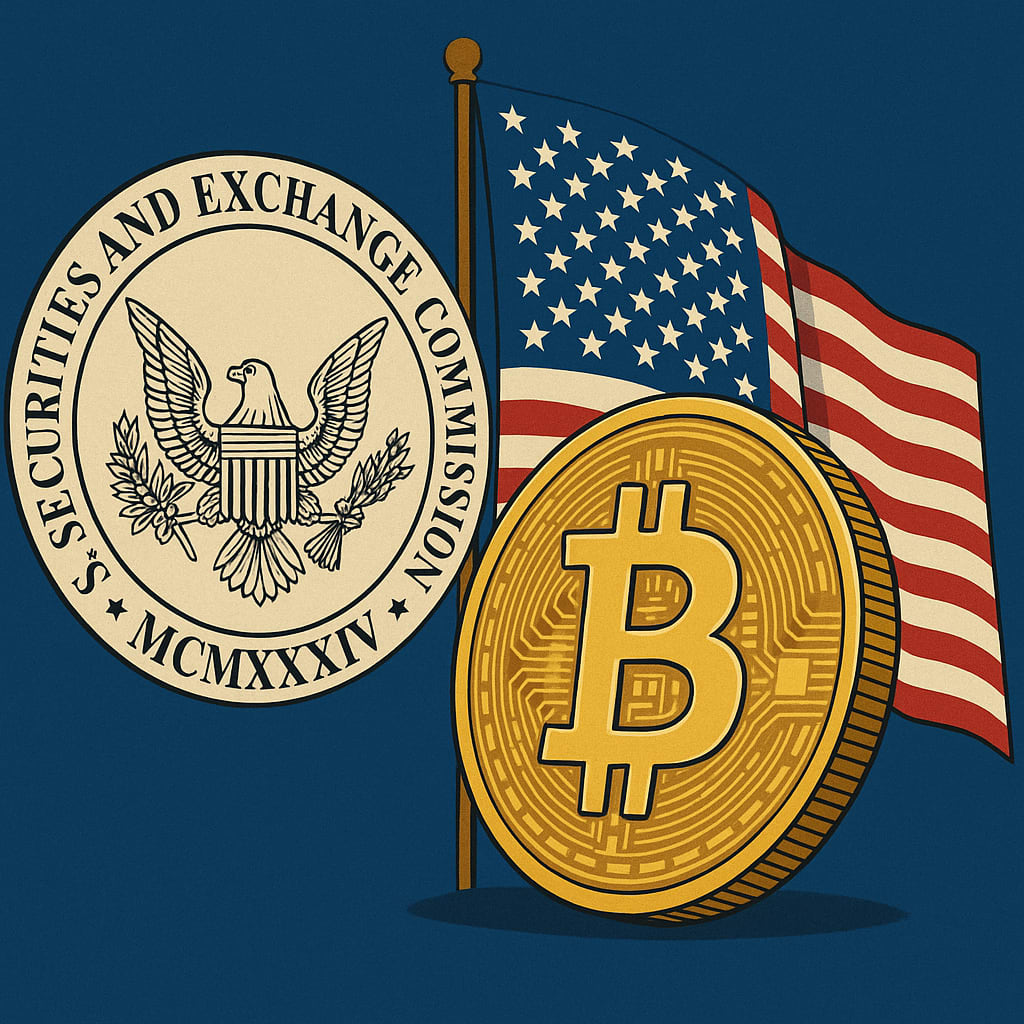
The U.S. Securities and Exchange Commission (SEC) has unveiled “Project Crypto”, a sweeping regulatory overhaul designed to modernize securities laws for blockchain-based trading, decentralized finance (DeFi), and crypto exchanges. Announced by SEC Chair Paul Atkins, this initiative aims to clarify rules for tokenized assets, reduce compliance burdens, and foster U.S. leadership in digital finance 23.
For DeFi protocols and crypto exchanges, this marks a pivotal shift—from regulatory uncertainty to structured guidelines. But what exactly does this mean for the future of decentralized finance and trading platforms?
✅ Key changes under “Project Crypto”
✅ Impact on DeFi (innovation exemption, custody rules)
✅ New rules for exchanges (licensing, super apps)
✅ Long-term implications for crypto markets
🔍 What Is “Project Crypto”? Key Changes
1. Most Cryptos Are Not Securities
- SEC Chair Paul Atkins stated that “most crypto assets are not securities”, a major departure from past enforcement-heavy approaches 3.
- Exception: Tokenized stocks, bonds, and investment contracts will still be regulated as securities 6.
- Why it matters: Reduces legal risks for Bitcoin, Ethereum, and utility tokens.
2. “Innovation Exemption” for DeFi
- The SEC is considering conditional exemptions for DeFi projects to avoid stifling development 9.
- Self-custody protection: Atkins emphasized that “the right to self-custody is a foundational American value” 9.
- Staking & mining exempted: These activities won’t be classified as securities transactions 9.
3. New Rules for Crypto Exchanges
- Streamlined licensing: Exchanges can operate under a single “super app” framework (e.g., Coinbase’s new app) instead of multiple regulators 2.
- Broader “exchange” definition: Platforms facilitating non-firm trading interest (e.g., chat-based negotiations) may need licensing 5.
- DeFi protocols at risk? Some automated market makers (AMMs) could fall under SEC oversight 10.
4. Tokenized Securities Go Mainstream
- BlackRock, Fidelity, and Nasdaq are exploring on-chain stocks and bonds 4.
- SEC will support compliant issuance, potentially unlocking trillions in tradable assets 6.
💡 How “Project Crypto” Affects DeFi
✅ Benefits for DeFi
- Legal Clarity: No more fear of sudden SEC lawsuits against protocols like Uniswap or Aave 9.
- Safe Harbor for Builders: Developers can launch DeFi projects without immediate registration 9.
- Institutional DeFi Growth: Banks and hedge funds may finally enter DeFi with regulated rails 7.
⚠️ Risks & Challenges
- Some DeFi Protocols May Still Need Licensing
- If a platform “brings together buyers and sellers” (even via smart contracts), it could be deemed an unregistered exchange 5.
- Example: Uniswap’s AMM model might require Regulation ATS compliance 10.
- AML/KYC Requirements
- DeFi projects may need to integrate identity checks for large transactions 7.
- Privacy coins (e.g., Monero) could face bans 6.
- Centralization Pressures
- True decentralization is hard to regulate—will the SEC force DAO governance changes? 9
🏛️ Impact on Crypto Exchanges
✅ Benefits for Exchanges
- “Super App” Licensing
- Exchanges like Coinbase and Kraken can bundle trading, lending, and payments under one license 2.
- Similar to China’s WeChat but for crypto 2.
- Easier Compliance for Token Listings
- Clearer rules on which tokens are securities = fewer delistings 3.
- Institutional On-Ramps
- Tokenized stocks/bonds could attract Wall Street liquidity 4.
⚠️ Risks for Exchanges
- Stricter Surveillance
- Platforms must monitor “communication protocols” (e.g., chat-based trading) 5.
- Penalties for unregistered activity could reach “gross pecuniary gain” 5.
- DeFi Competitors
- If DeFi gets exemptions, CEXs may lose market share to AMMs 9.
📅 What’s Next? Key Milestones
| Timeline | Event | Impact |
|---|---|---|
| Aug-Sep 2025 | Draft rules released for public comment | Industry feedback shapes final regulations |
| Early 2026 | First “super app” approvals | Coinbase, Kraken expand services |
| 2027 | Full on-chain integration | Traditional and crypto markets merge |
🔮 Long-Term Implications
1. U.S. Could Dominate Crypto Innovation
- Project Crypto + GENIUS Act create a pro-innovation framework 7.
- Prediction: By 2030, 50% of stocks could trade on-chain 6.
2. DeFi Will Grow—But With Rules
- Institutional DeFi (e.g., BlackRock using Aave) will rise 4.
- Pure-decentralization may decline due to compliance needs 9.
3. Global Regulatory Race
- EU (MiCA) and Hong Kong are ahead in stablecoin rules—will the U.S. catch up? 7
💰 Strategic Takeaways for Crypto Participants
For DeFi Projects:
- Apply for innovation exemptions if eligible 9.
- Prepare for AML/KYC if handling large volumes 7.
For Exchanges:
- Develop “super app” features (e.g., integrated wallets, lending) 2.
- Audit trading systems for SEC compliance 5.
For Traders & Investors:
- Watch ETH & DeFi tokens—ETF and regulatory clarity could trigger rallies 3.
- Avoid unlicensed platforms—enforcement risks remain 5.
❓ FAQ: “Project Crypto” Explained
Q: Does this mean the SEC won’t sue DeFi projects anymore?
A: Most DeFi projects are safe, but those acting like unregistered exchanges may still face action 10.
Q: Will Coinbase stock rise because of this?
A: Likely—super app licensing could boost revenue 2.
Q: Is this good or bad for Bitcoin?
A: Very good—BTC is now clearly not a security 3.
#ProjectCrypto #DeFi #SEC #CryptoRegulation #Blockchain